
Choosing rings is one of the significant decisions couples make when planning a wedding. Since ancient times, exchanging wedding rings has been a symbol of commitment and unity. Traditionally, the bride and groom exchange rings during the ceremony, and these rings become cherished tokens of love and partnership. Yet, who chooses and buys those rings, especially the men’s wedding ring, often raises questions. Does the girl buy the men’s wedding ring? Well, the answer might surprise you, as it intricately ties to cultural stories, personal preferences, and sometimes a blend of both traditional and modern practices.
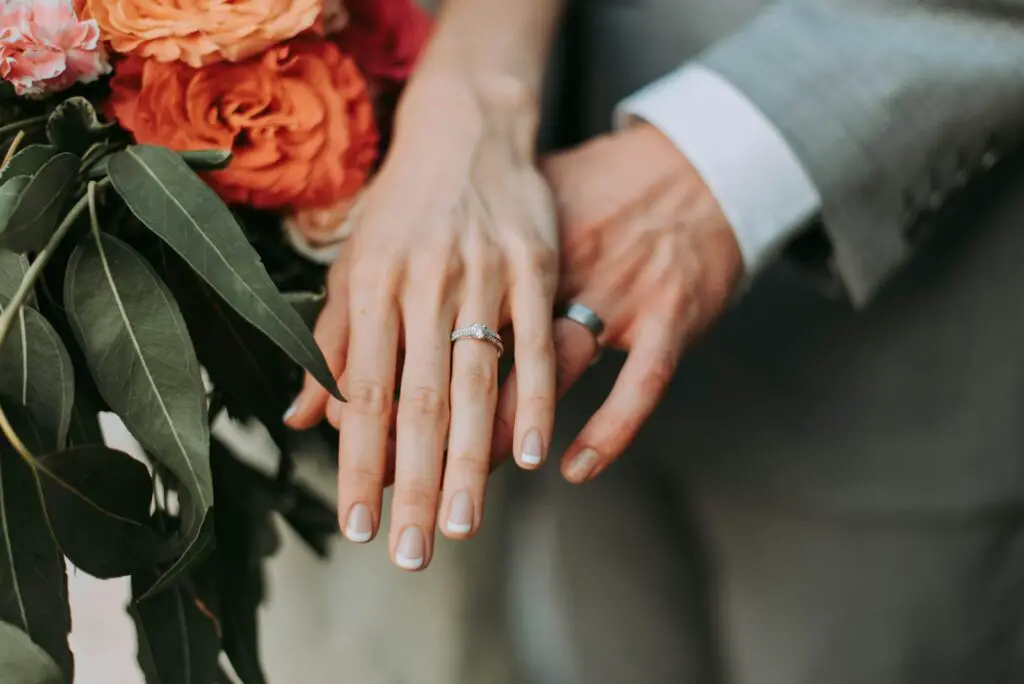
Understanding the Tradition: Who Buys the Men’s Wedding Ring?
The tradition surrounding who buys the men’s wedding ring can differ greatly depending on cultural and family practices. Historically, certain customs suggested that the bride or her family purchase the groom’s ring, perhaps as a reciprocal gesture since the groom traditionally bought the engagement ring. It symbolized a mutual exchange of tokens of love. However, much depends on the personal choice and financial arrangement between the couple. There are no hard and fast rules anymore, which reflects the evolving nature of marriage traditions in our ever-changing cultures and societies. Many modern couples take a more egalitarian approach, sharing the costs and making the decisions together to reflect their partnership.
The Origins of Wedding Ring Traditions
Wedding rings have been part of the matrimonial ceremony for millennia, with origins tracing back to ancient Egypt. Egyptians believed circles symbolize eternity, so they exchanged rings made from braided reeds as a token of everlasting love. The Romans adapted this tradition, but their rings were often made of iron to signify strength rather than romantic connection. Over time, gold and silver rings became prevalent. By the 20th century, when advertising campaigns by jewelry companies became widespread, wedding rings—especially diamond rings—became synonymous with matrimony in Western cultures. Today, the tradition persists, although the customs surrounding their exchange have evolved significantly.
How Modern Couples Approach Ring Purchases
Today’s couples often approach the purchase of wedding rings with a mix of tradition and pragmatic choice. Some couples choose to shop for rings together, considering it a shared experience that allows them to pick rings that align with their personal styles and budget. Others still adhere to more traditional roles, where one partner may surprise the other with a thoughtfully chosen ring, emphasizing the element of surprise and romance. With the growing prevalence of equal partnerships, discussions around financial contributions have become more open, allowing couples to make decisions best suited to their situations. Regardless of the approach, what remains most important is that the decision reflects the couple’s values and preferences.
Financial Considerations and Budgeting Tips
Financial planning is a crucial element in the wedding preparation journey, including buying wedding rings. Typically, couples set a budget early on to avoid overspending in one area at the expense of another. When it comes to rings, one useful tip is to shop around to compare prices and designs. Consider setting aside a dedicated amount for the rings as part of your broader wedding budget. Additionally, think about unconventional options such as vintage rings or custom-made designs, which might offer better value and uniqueness than off-the-shelf options. It’s also wise to contemplate insurance for the rings, as a practical measure to protect what will undoubtedly become cherished possessions.
Unique Ways to Share the Cost
There are many innovative ways to share the cost of wedding rings to make the financial burden lighter and more equitable. Some couples set a predetermined fund from their joint savings, highlighting the rings as a significant investment in their future. Others might choose to gift each other their rings, putting personal savings toward this gesture and thus imbuing the act with personal meaning. Crowdfunding among family and friends has even become an option for some, turning the acquisition into a communal show of support and love. Whether through shared savings, gifts, or communal contributions, each method brings its layer of meaning and partnership to the ring-buying process.
Cultural Perspectives on Buying Wedding Rings
Wedding ring customs vary widely across cultures, influencing who buys them and how they’re exchanged. In some cultures, both families contribute to the purchase, considering it part of the dowry or bride’s price arrangement. Others view the ring exchange as purely a personal affair between the couple. In many Asian traditions, elaborate gold jewelry, including rings, is given by both sides of the family, symbolizing wealth and blessings for the couple’s future. These diverse practices illustrate how deeply ingrained and complex wedding ring traditions can be, shaped by history, economics, and cultural symbolism.
Gender Roles and Expectations in Ring Shopping
Traditional gender roles have long influenced who selects and buys wedding rings, but these expectations have ebbed as societal attitudes toward gender equality have shifted. Historically, the man might buy the engagement and wedding rings, symbolizing his commitment and financial ability to care for his future spouse. Today, many couples value an equal partnership, choosing to either shop for rings together or equally split the costs. Such arrangements challenge outdated gender norms and promote a balanced approach to shared responsibilities. Beyond gender, these discussions encourage openness about finances, fostering a platform for partners to align their values and expectations.
The Rise of Non-Traditional Wedding Customs
The rise of non-traditional wedding customs and personalized wedding ceremonies has led to a greater variety of approaches to choosing and buying wedding rings. Some couples forgo traditional styles for rings that reflect their individuality, incorporating unique designs, materials, or even alternative tokens of commitment like tattoos or personalized jewelry. As couples increasingly personalize their weddings to reflect their values and personalities, the process of selecting rings has become another expression of that individuality. This trend also mirrors broader societal shifts towards personalization and customization in many aspects of life and relationships.
Practical Advice for Couples Planning to Purchase Rings
Planning to buy wedding rings can seem daunting, but with some practical advice, the process can be rewarding and fulfilling. Start by setting a realistic budget that accounts for necessary expenditures without overstretching your finances. Next, spend time researching different styles, metals, and stones to ensure you make informed choices. Consider shopping for rings well in advance of the wedding, as custom designs or adjustments might require extra time. Don’t hesitate to seek advice from friends or family who have recently married, as their insights could be invaluable. Most importantly, ensure the process reflects your relationship and the shared commitment you are celebrating.
Frequently Asked Questions About Ring Purchasing Etiquette
Q: Is it necessary for the bride to buy the groom’s wedding ring?
A: There is no strict rule that necessitates who buys the groom’s wedding ring. It often depends on individual preferences and financial arrangements between the couple. Discuss and decide what suits your situation best.
Q: Can we split the cost of the wedding rings?
A: Absolutely! Splitting the cost can be a convenient and balanced way to manage expenses. Many modern couples choose to share the costs as a reflection of their equal partnership.
Q: Are there alternative options to buying traditional wedding rings?
A: Yes, there are plenty of alternatives. Some couples opt for vintage, custom-made rings or even non-traditional symbols of commitment like tattoos or personalized jewelry.
Final Thoughts: Making the Decision Together
Deciding who buys the men’s wedding ring is ultimately a personal choice for each couple. It should be a decision made together, reflecting both partners’ values, budgets, and desires. While tradition offers a guideline, it’s by no means a strict rule to follow. The key is to communicate openly and prioritize what feels right for you as a couple. After all, the ring is a symbol of your enduring commitment—choose it in a way that honors your journey and what you both truly value.
