
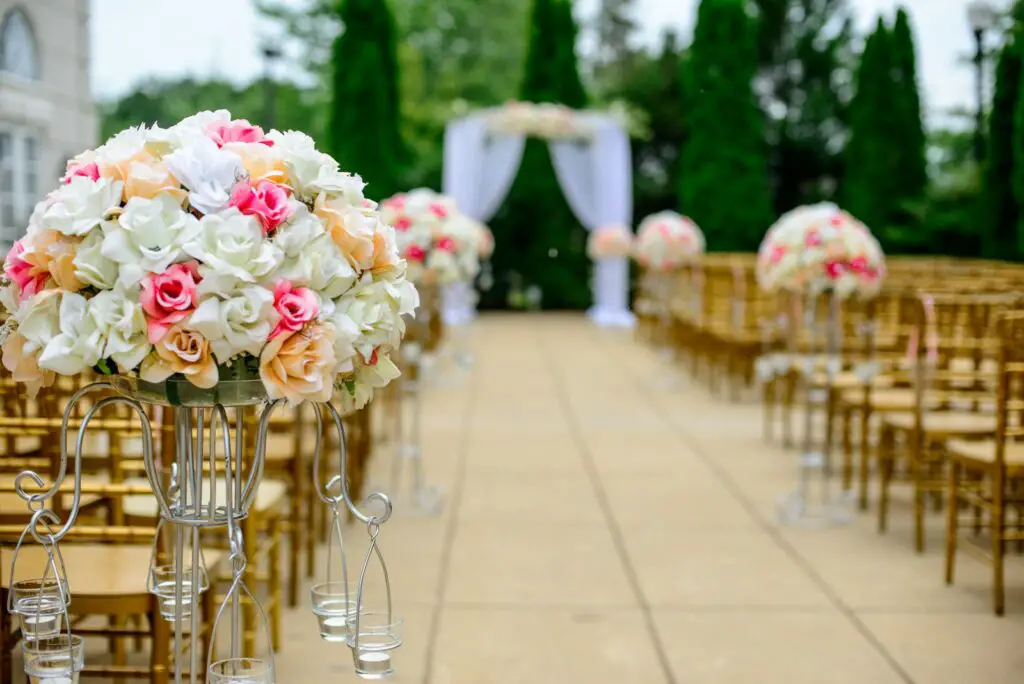
Planning a wedding involves many exciting steps, and finding the perfect venue is one of the most significant decisions you’ll make. A wedding venue sets the tone for the day, influencing everything from the style of your event to the number of guests you can invite. Understanding your wedding vision clearly before you start the search will save you time and energy. What kind of atmosphere do you want—perhaps a rustic barn, an elegant ballroom, or a charming garden? Getting a solid grasp on your aesthetic preferences is like drawing a roadmap that guides every ensuing choice. Dream out loud, jot down your must-haves, and create a vision board to keep as your guiding light.
Understanding Your Wedding Vision
Your wedding day is one of the most personal celebrations of your life, so it should reflect your unique style and personality. Taking the time to define and understand your wedding vision will make the process of finding a venue much smoother. Whether you picture an opulent affair in a grand ballroom or an intimate gathering on a quaint farm, knowing your style will help narrow down potential venues. To cultivate your vision, look through wedding magazines, browse Pinterest boards, and watch videos of real weddings. As these images and ideas come together, you’ll start to see a coherent style forming that can provide direction through the rest of your planning.
Researching Options and Gathering Inspiration
Once you’ve established a clear picture of your wedding vision, it’s time to gather inspiration that’ll help you during your venue hunt. With so many options available, it can feel a bit like finding a needle in a haystack. Consider leveraging resources like wedding directories, bridal expos, and social media groups to gather insights and reviews from past brides and grooms. The Internet has a treasure trove of blogs and vendor websites packed with pictures and details about venues. Don’t forget to also consult with friends and family who’ve recently tied the knot; real-world experiences can provide invaluable insights and tips.
Setting a Budget and Sticking to It
Establishing a budget is arguably one of the most essential steps in finding your wedding venue, as it helps establish a sense of financial boundary. Setting a clear budget helps you focus on what you can afford, preventing any emotional letdowns later. Break down the costs you anticipate for the venue, considering additional fees such as rentals, catering, and taxes. Allocate a portion of your budget specifically for the venue itself, and stick to it. Be honest with yourself and flexible enough to adapt your expectations; sometimes, prioritizing one aspect may mean compromising on another.
Considering Your Guest List and Venue Capacity
The number of guests you plan to invite will significantly influence your choice of venue. Compile a preliminary guest list to obtain an estimate that you can refine later. This rough figure serves as a guideline when assessing venue capacities, ensuring that your space is neither too cramped nor too cavernous. Remember, a venue might look perfect online, but the physical space could feel entirely different when packed with guests. Therefore, always aim for a balance that comfortably accommodates your guest list, allowing for extra room in case of last-minute additions.
Exploring Different Venue Types
There are various types of wedding venues available, each offering distinct experiences and atmospheres. Some popular venue types include hotels, barns, gardens, beaches, and historical buildings. Hotels and resorts often offer comprehensive wedding packages that include accommodations for guests, while barns and farms provide a natural, rustic appeal. Gardens and beaches present beautiful outdoor settings, great for couples looking to incorporate the beauty of nature into their ceremony. Decide on the type that aligns with your wedding vision, and ensure it complements other facets of your day, like the décor and theme.
Location and Accessibility Factors
The location of your wedding venue is an important aspect to consider, impacting not only the convenience of your guests but also the entire bridal party. Selecting a venue that’s easily accessible from major highways or airports can save your guests a lot of time and stress—especially those traveling from afar. Check for available accommodations nearby for out-of-town attendees. When scouting for locations, keep the weather in mind, particularly if you’re contemplating an outdoor venue. Often, picturesque locales may not be practical if they’re hard to reach or if the season’s climate isn’t cooperative.
Checking Availability and Booking Timelines
Venue availability can be somewhat competitive, particularly during peak wedding seasons. Typically, venues book up to a year in advance, so it’s a good idea to contact them as soon as you’ve nailed down your preferred dates. Some venues might offer discounted prices for off-peak or weekday weddings, a money-saving option that can free up more budget for other needs. Being flexible with your date or considering alternative timelines can also increase your options. Keep a checklist of potential venues along with their available dates to help you make a timely decision.
Evaluating On-Site Amenities and Services
Many venues offer a range of on-site amenities and services such as catering, event planning, and accommodations, which can greatly simplify your planning process. Review packages offered by the venue; some might include tables, chairs, and audiovisual equipment, while others could charge extra for these add-ons. Ask about staffing, like if they provide a day-of coordinator or crew for setup and takedown. Having a list of what’s included helps you compare venues more effectively and ensures you don’t end up with unexpected expenses later.
Assessing Venue Restrictions and Policies
Every venue comes with its own set of rules and restrictions, from decoration limits to noise ordinances. Knowing what’s allowed and what isn’t can influence your decision significantly. Some venues may restrict the use of open flames, making candlelit tablescapes a no-go, or have strict policies regarding alcohol service. Speak with the venue coordinator to understand all limitations, and get everything in writing to avoid discrepancies later. This foresight prevents potential conflicts during the planning or on the day itself, allowing you to better envision how your wedding can unfold in the space.
Visiting Potential Venues: What to Look For
Once you’ve shortlisted a handful of contenders, visiting the venues in person is a must. Pictures on a website can be deceiving, and the tangible experience of walking through the space often paints a clearer picture. As you visit, take note of the layout, lighting, and general ambiance. Consider where you’ll be saying your vows, where the guests will sit, and how the arrangements might fit your planned activities. See if the staff is friendly and if the venue has a vibe that resonates with your wedding vision. Trust your gut feelings at this stage, as they often steer you toward the right choice.
Exploring Online Reviews and Testimonials
Before making your final decision, take the time to read online reviews and testimonials about your shortlisted venues. These candid accounts from previous couples and guests can provide valuable insights into what to expect. Look for consistent themes, positive or negative, that echo across several reviews. Pay attention to how the venue staff responded to any issues or concerns—this often reveals the level of professionalism you can anticipate. Engaging with reviewers in forums or comment sections can also provide additional clarity and answer any lingering questions.
Negotiating Contracts and Prices
When it comes time to book your dream venue, negotiation becomes a pivotal step. Discuss the pricing, possible discounts, and any package deals they might offer. Always remember, everything is negotiable—from ceremony fees to bar charges—and a polite inquiry might lead to unexpected savings. Review the contract thoroughly, ensuring all terms, conditions, and agreed discounts are clearly outlined. Pay attention to cancellation policies, payment schedules, and refund procedures to avoid any surprises. If you’re unsure about any clause, consult a professional to ensure you’re protected.
Finalizing Details and Securing the Date
After selecting your venue, the next step is to finalize the details to secure your wedding date officially. Double-check that all your requirements are documented in the contract and that both parties have signed off on it. Make deposits as per the agreement to reserve your spot, and confirm receipt of payments with the venue. Keep open lines of communication with your venue coordinator, as they can be invaluable resources in the lead-up to your wedding day. Once everything’s in place, relax and relish the fact that you’ve nailed down one of the most crucial parts of planning your wedding. Now, you can focus energy on other details, knowing that you have the perfect stage set for your big day.
