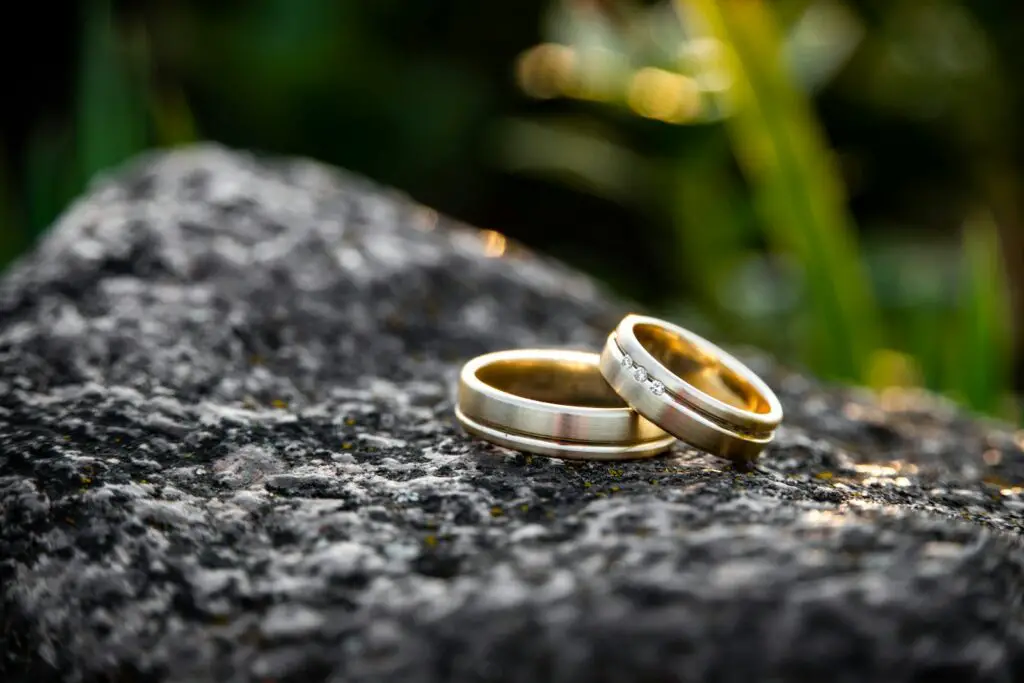
Throughout history, the wedding ring has held a place of authority and admiration, symbolizing something far deeper than a mere piece of jewelry. The tradition of exchanging wedding rings is a practice loaded with rich cultural significance, steeped in historical traditions, and imbued with personal meaning. Yet, what does it truly symbolize in today’s ever-evolving society? As we explore the facets of this time-honored token, we uncover how a simple band of metal has come to encapsulate eternal love, commitment, and the union of two souls in an ever-changing world.
Historical Evolution of Wedding Rings
From ancient Egypt to the heart of medieval Europe, the wedding ring’s journey weaves through centuries. The Egyptians are credited with originating the custom over 4,800 years ago, believing that a circle represented eternity. Rings were fashioned from braided reeds and hemp, intended to signify an eternal union of two people. As the tradition spread, materials evolved; the Romans, for instance, used iron to convey strength and permanence. Throughout the ages, wedding rings became more ornate, incorporating precious metals and stones, ultimately solidifying their status as an emblem of enduring commitment across cultures.
Cultural Significance Across the Globe
While the rings might look similar, the cultural significance of wedding rings varies greatly across the world. In Western cultures, a wedding ring is worn on the “ring finger” of the left hand, but in countries like India, it’s traditionally the right hand that hosts the ring. In some African cultures, the exchange of jewelry isn’t just between the bride and groom but includes the entire family, symbolizing the joining of whole communities. These cultural differences illustrate just how deeply embedded and versatile this simple band is, and how its meaning transcends borders and generations.
The Circle as a Symbol of Eternity
The circular shape of a wedding ring inherently represents an unending path, mirroring the perpetual nature of commitment in marriage. This symbolism is not lost on its bearers, evoking sentiments of limitless love and devotion. With no beginning and no end, the circle embodies infinity, fitting perfectly as a representation of marital vows believed to transcend time and endure life’s various trials. Such a simple design eloquently captures profound emotions, anchoring them in tradition and perpetuity.
Material Matters: Gold, Silver, and Beyond
The choice of material for wedding rings isn’t merely about aesthetics; it carries symbolic weight. Gold, with its lustrous appeal, is traditionally associated with wealth and prosperity, positing a marriage blessed with fortune and success. Silver, alternatively, signifies purity and clarity. Beyond these, modern couples often choose unconventional materials like titanium or tungsten, reflecting personal values and lifestyles. These choices demonstrate the adaptability of wedding rings to reflect personal stories, with materials enhancing the symbolic interplay between tradition and innovation.
The Role of Gemstones: More Than Just Bling
Adding gemstones to wedding rings transcends mere decoration. Diamonds, renowned for their durability, underscore themes of strength and endurance. Sapphires represent wisdom and truth, offering a layered message of intellectual connection between partners. In today’s world, colored gemstones are gaining popularity, offering couples additional avenues to personalize rings and attribute unique significance to their choices. These sparkling embellishments weave personal narratives into the fabric of the wedding ring’s symbolism, enhancing its message of everlasting unity.
Wedding Ring Finger: Tradition or Trend?
The left “ring finger” is the traditional bearer of wedding rings in many cultures, yet the reasons behind this choice are as fascinating as varied. The ancient Romans believed a vein, the “vena amoris,” connected this finger directly to the heart, signifying a deep romantic connection. While science has debunked this anatomical myth, the tradition persists, a charming amalgamation of custom and sentimental lore. However, some cultures and modern couples opt for different conventions, perhaps wearing rings on their right hand or even as a necklace, showcasing the evolving nature of such practices.
Modern Interpretations and Personalizing Meaning
In contemporary times, the symbolism of wedding rings has widened to embrace more personal meanings. Couples often tailor their rings with engravings, selecting motifs or inscriptions that resonate with their unique journey. Beyond tradition, these personalized touches allow couples to incorporate their shared experiences, individual values, or even future aspirations into their rings. This adaptation signifies not only commitment to one another but also celebrates individuality within the union, turning timeless symbols into personal artifacts.
Spiritual and Emotional Connotations
Beyond its physical form, a wedding ring often holds deep spiritual and emotional connotations. For many, it serves as a constant physical reminder of spiritual vows undertaken before a higher power or within a community. The ring becomes a conduit for the emotions shared between partners, carrying the weight of promises made during intimate ceremonies. It is more than a token; it is an emblem of a shared journey where both partners contribute to nurturing their sacred bond, reflecting their shared commitment in tangible form.
Wedding Rings in Literature and Myths
Wedding rings have occupied a significant place in literature and mythology, frequently symbolizing pledges of love, betrayal, or magical enchantments. From Shakespeare’s sonnets to Tolkien’s “Lord of the Rings,” these modest bands convey potent symbolic messages, adding layers of meaning to stories and inspiring readers. Such literary allusions affirm the deep-rooted symbolism wedding rings possess, captivating hearts and imaginations over centuries, reinforcing their mythical status as more than mere adornment.
Society’s Shifting Views on Wedding Rings
The view on what wedding rings symbolize continues to morph with societal advancements, reflecting evolving notions of love and marriage. The traditional view of a wedding ring as a token of heterosexual union is expanding, embracing diverse expressions of love and commitment, including same-sex partnerships and non-binary identities. Today’s society increasingly recognizes that the essence of a wedding ring lies in love and commitment, not restricted by gender boundaries, thereby universalizing its symbolic capacity.
The Future of Wedding Ring Symbolism
As we gaze into the crystal ball of cultural trends, the future of wedding ring symbolism seems as boundless as its storied past. With technology and personal expression influencing every facet of life, wedding rings may further evolve, incorporating elements like digital inscriptions or new sustainable materials. The ideological core, however, remains unshakable—promising love, commitment, and unity. As society progresses, the symbolism of wedding rings will likely continue adapting, resonating deeply with each new generation, while remaining an enduring symbol of human connection.
Conclusion: More Than Just a Ring
When considering what a wedding ring symbolizes, it’s evident that this piece of jewelry holds myriad significances that go far beyond its material presence. From its historical roots to modern customization, wedding rings are a unique blend of tradition and personal expression, symbolizing infinite affection, personal identity, and shared experience. It’s not just a ring—it’s a perpetual testament to the complexities and depths of human emotions and relationships, anchoring itself in timeless mystery while embracing fluid modernity. The wedding ring, in all its splendor, remains a universal emblem of unwavering love and eternal promise.
